A Dream Rooted in Emotion and Art
For as long as I can remember, I have been drawn to the human form—not just as a physical entity but as a vessel of emotions, stories, and resilience. Photography became my way of understanding and expressing what words often fail to convey. And within photography, it was always artistic nude portraiture that spoke to me the loudest.
I have long dreamed of creating work that captures both vulnerability and strength, stripping away the distractions of clothing, time, and place to expose something far more intimate—the essence of human emotion. My vision has never been about perfection, nor about idealized beauty, but about raw honesty: the way the body folds when it seeks protection, the tension in the muscles after heartbreak, the weight of past experiences carried in one’s posture.
This project, “Fragments of Light: Portraits of Human Essence, Intimate Nature,” is the culmination of that dream. It is the visual representation of an inner journey—one that so many of us have taken. It speaks of pain, surrender, reflection, and ultimately, the resilience that lifts us back to our feet.
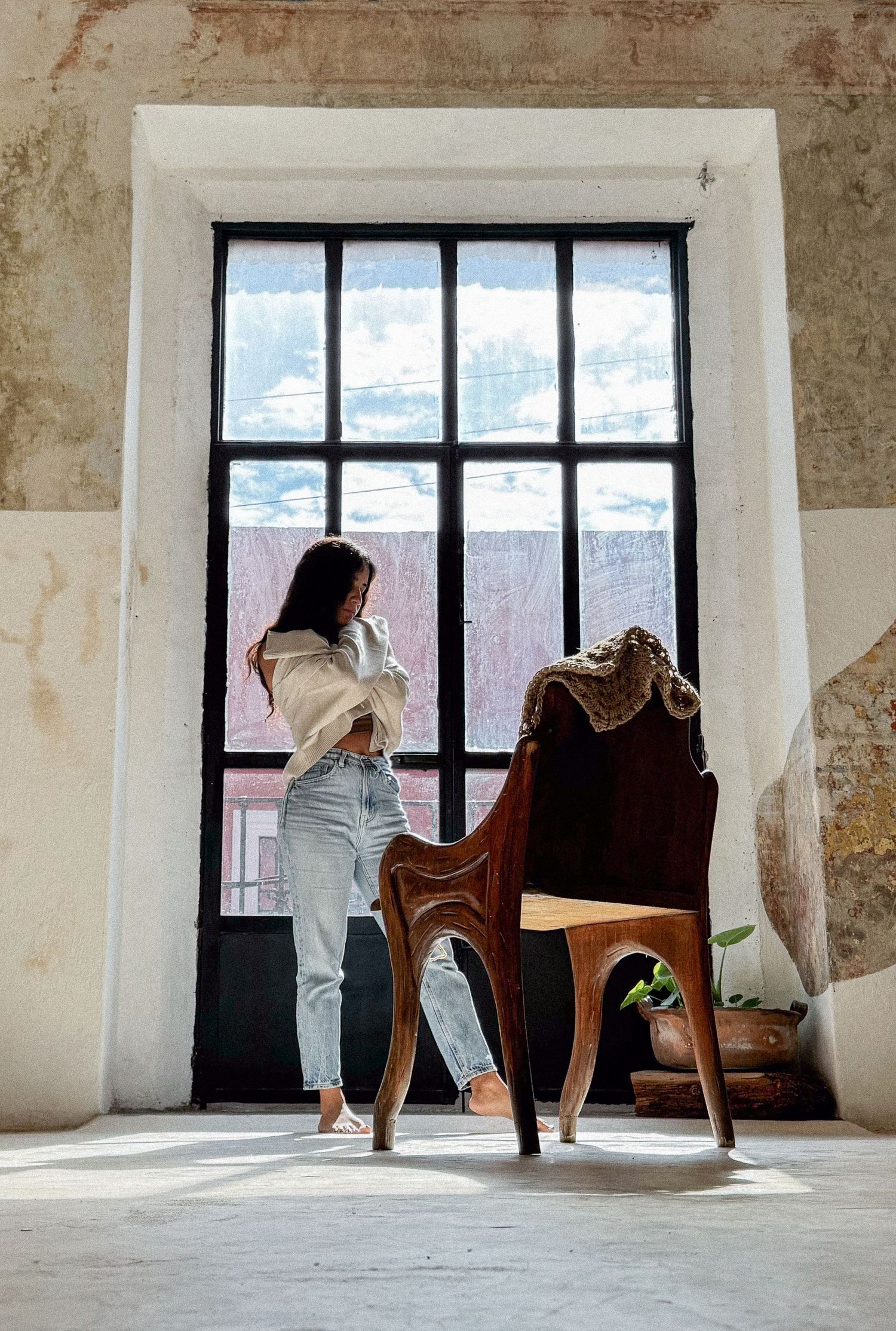
Life has a way of testing us—sometimes gently, sometimes with a force so brutal it leaves us breathless. There are moments when we fight, desperately clinging to hope, believing that sheer willpower will be enough to overcome whatever threatens to break us. And yet, there are battles we cannot win.
Defeat is something we are rarely taught to embrace. Society often glorifies strength as if it means never falling, never faltering. But true strength, I believe, is something far more human: it is found in the ability to lose, to grieve, to surrender to our pain—only to stand again, to reclaim ourselves piece by piece, and to carry our history with honor.
This project was born from that truth.
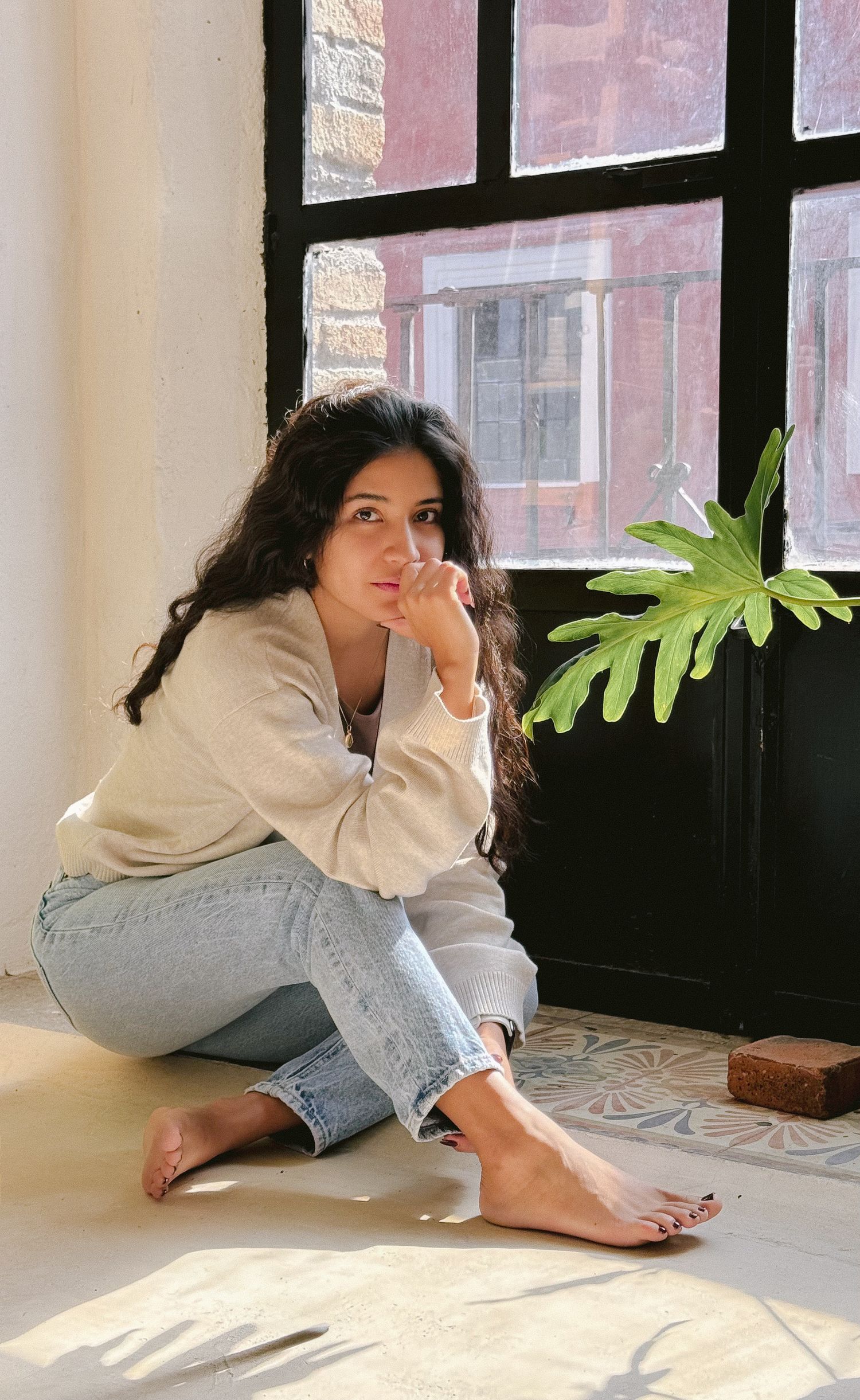
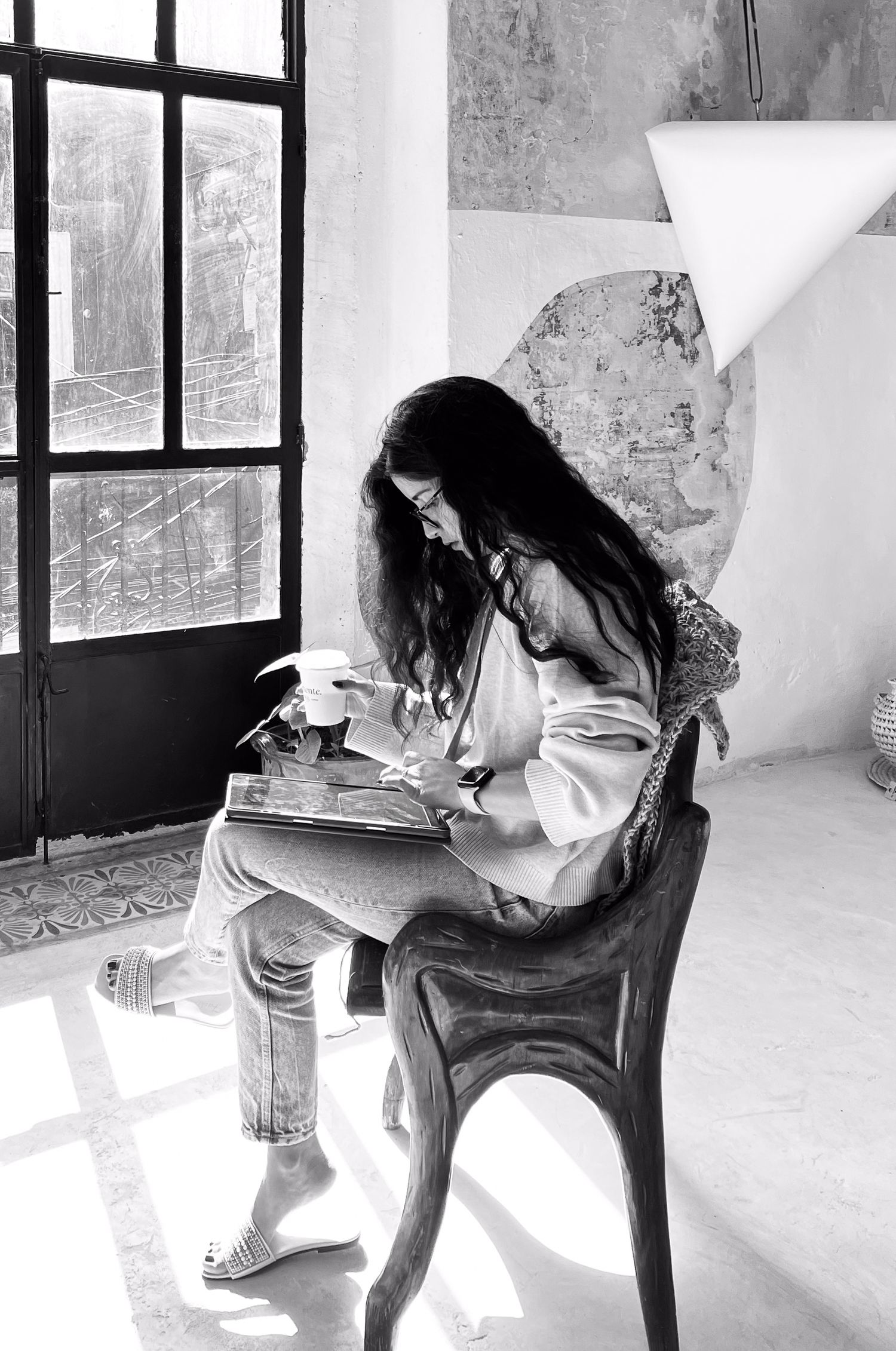
This is more than just a collection of images—it is a visual narrative of resilience. Each image in this series represents a distinct phase in that journey.
The concept is deeply personal, yet it belongs to everyone. We all know what it feels like to fall. Maybe it was heartbreak. Maybe it was loss. Maybe it was failure, regret, or simply the weight of life itself. Whatever the reason, we have all been there—curled up in silence, convinced that we could never find the strength to move forward.
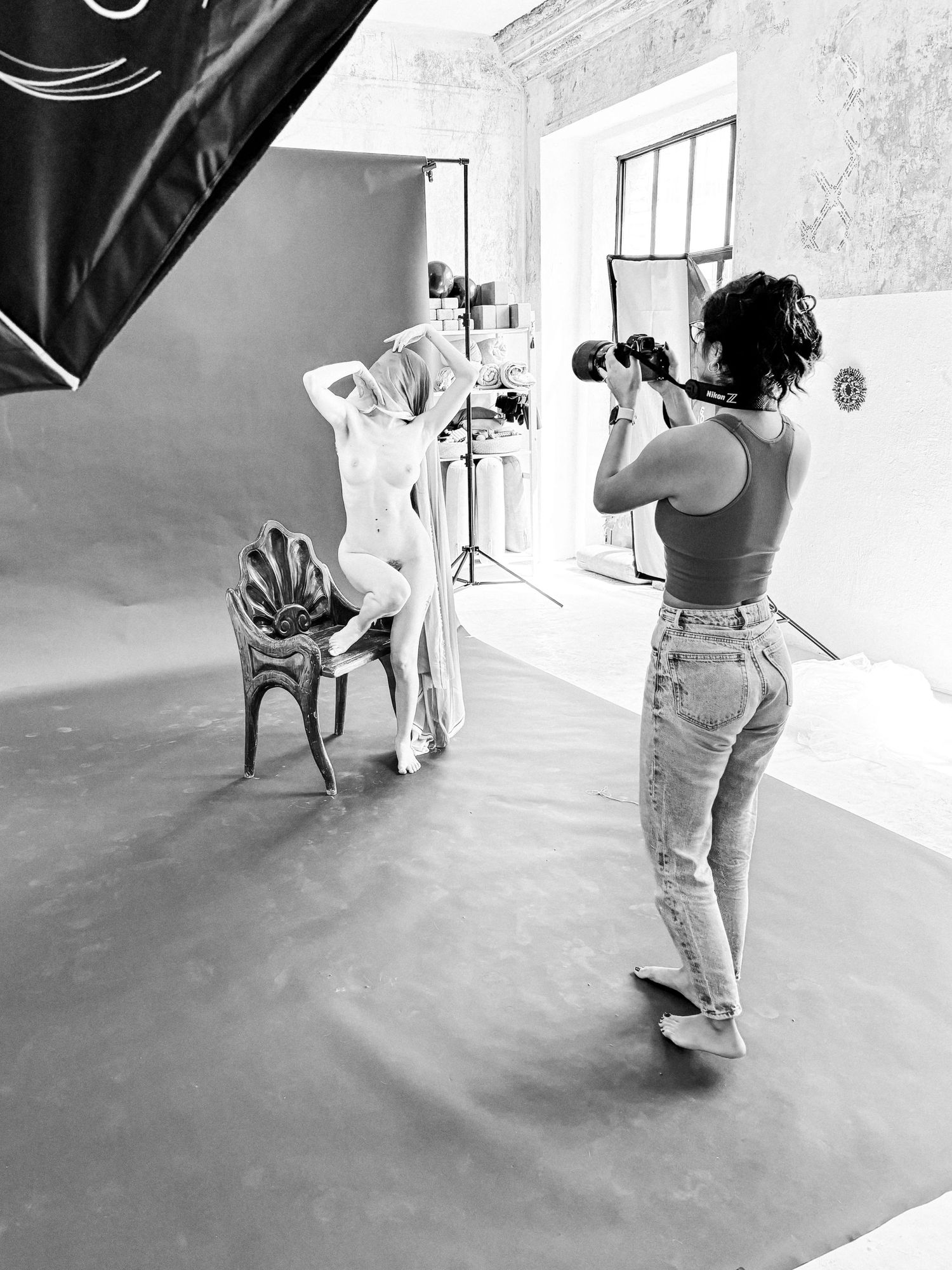
And yet, something within us refuses to stay down. A small ember flickers in the darkness, reminding us that our story does not end here. That ember, that fragile but relentless spark, is what this series seeks to capture.
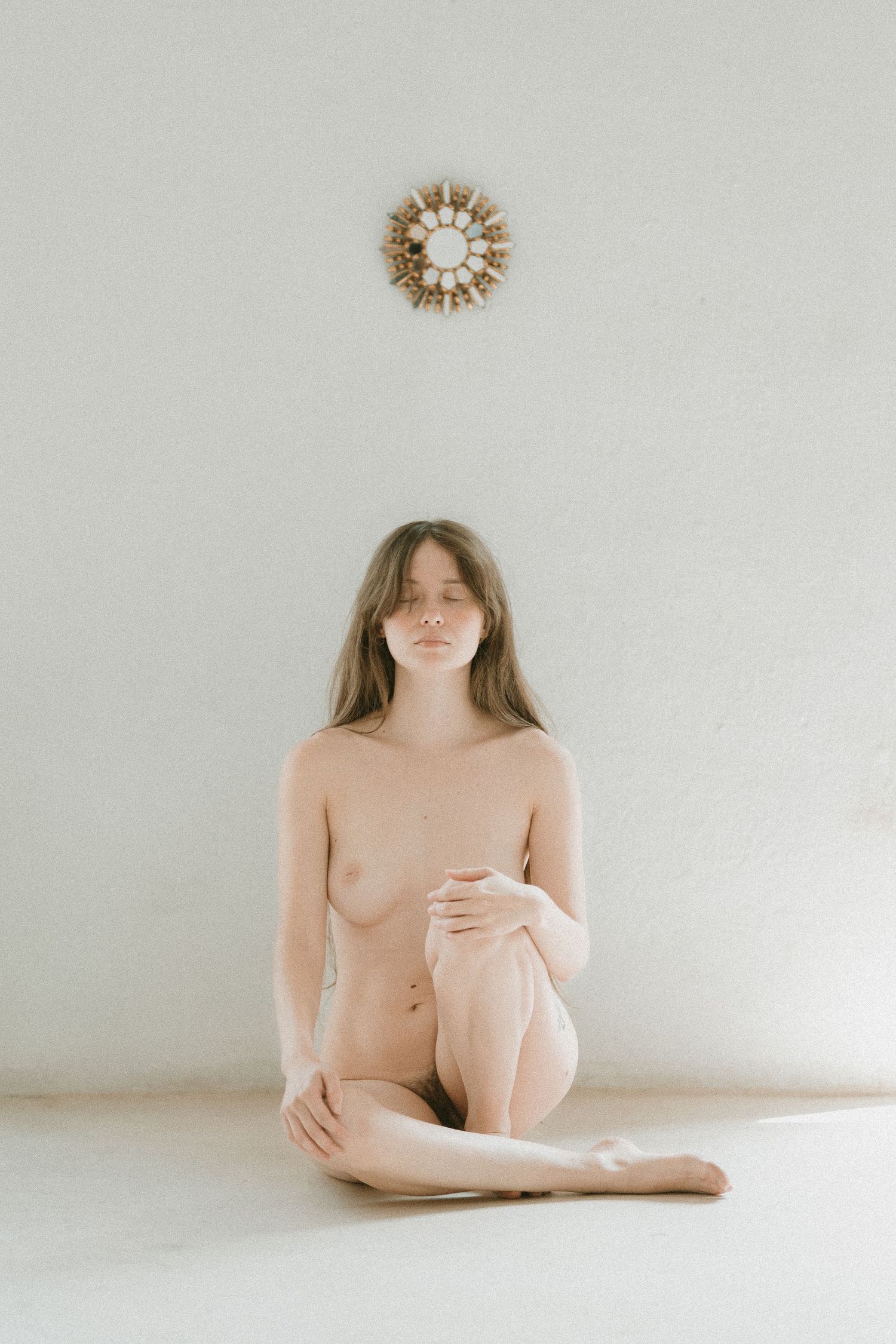
This project also reflects my lifelong passion for artistic nude photography as a means of exploring the human condition. There is something profoundly honest about stripping away all external layers—removing the barriers of clothing, setting, and time—and allowing only the raw, unfiltered essence of a person to remain. The nude form, in its simplicity, becomes both fragile and powerful, vulnerable yet resilient.
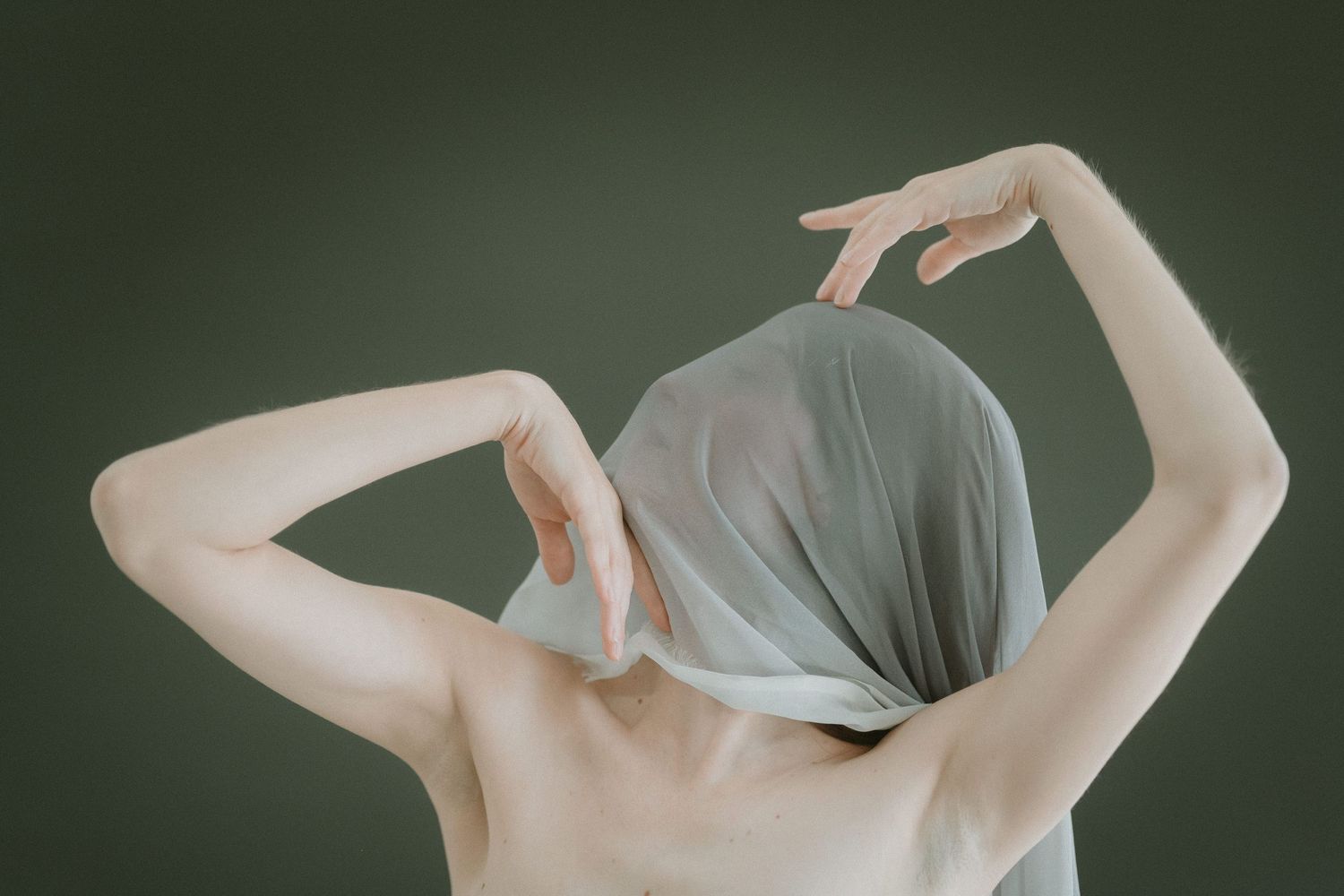
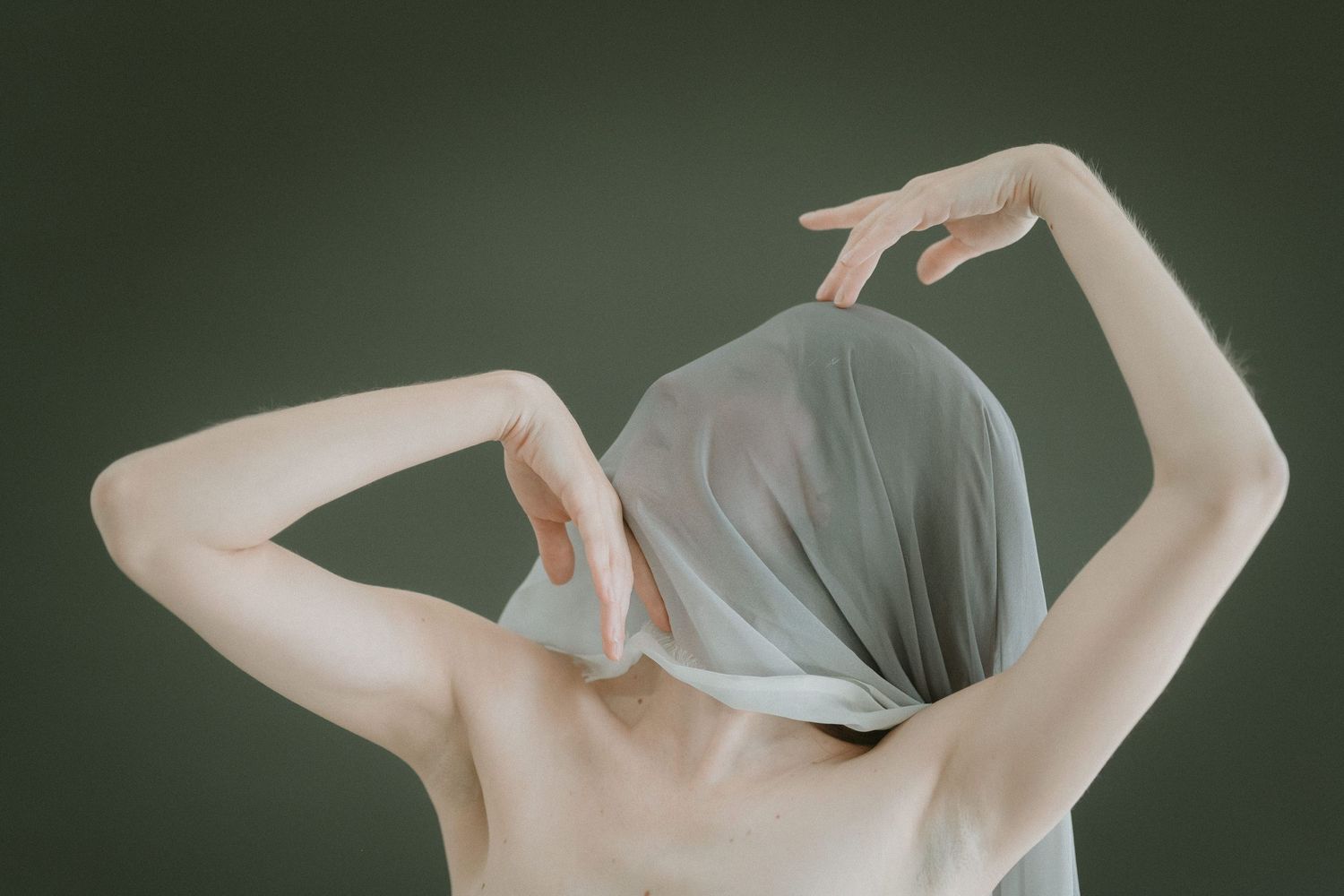
Inspired by Renaissance and Impressionist art, I wanted every image to feel like a painting—rich in light and texture, deeply expressive, and timeless. The chair seen in the later images is not just an object; it is the weight of our past, the foundation of all that has shaped us. The veil symbolizes the set of our scars, sometimes visible, sometimes hidden, but now worn with pride.
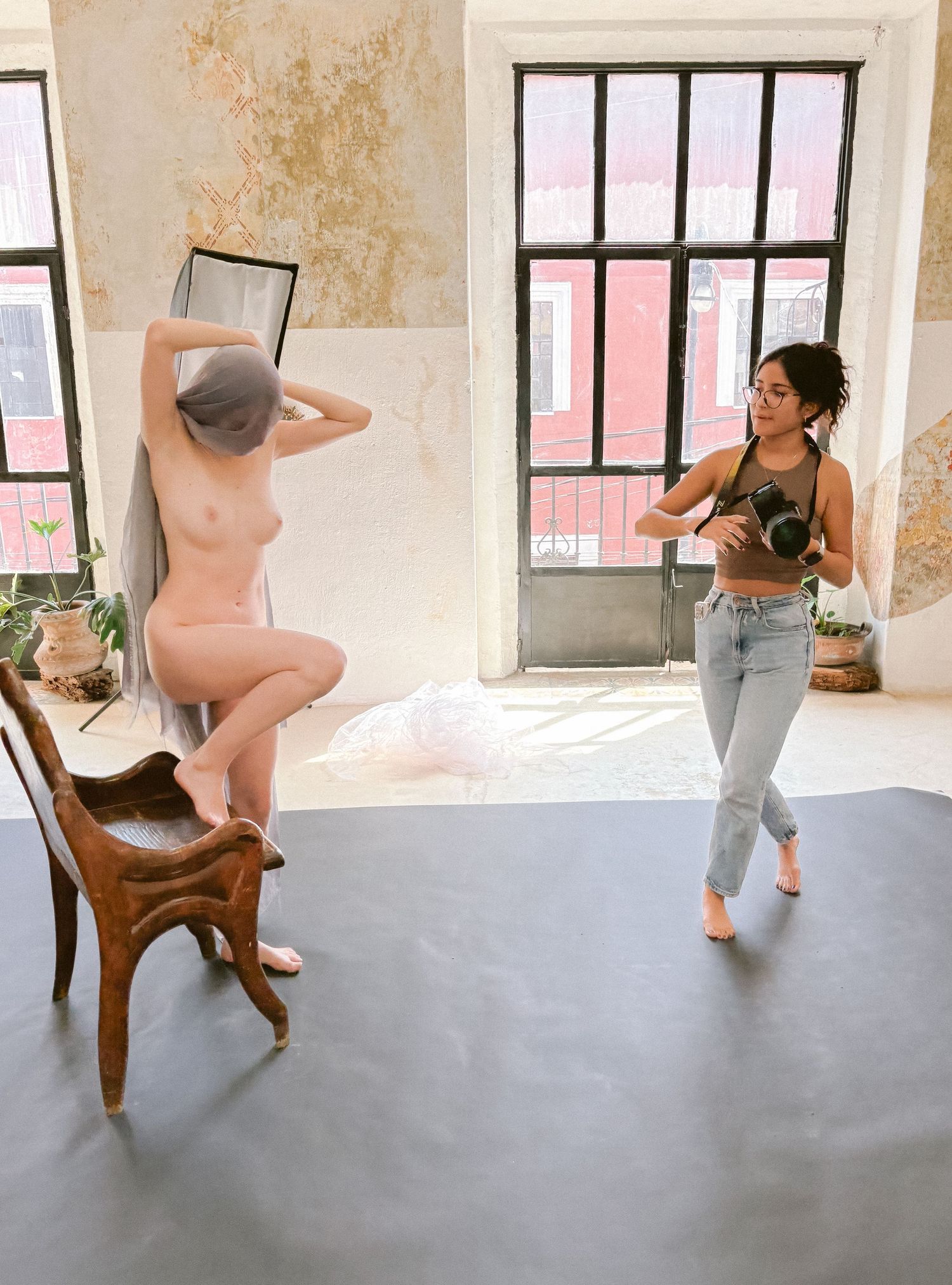
Through these images, I hope to show that pain is not the end of the story. That every fall has a rise, and every scar carries a lesson. That surrender is not failure but a necessary step toward healing.
Most importantly, I want viewers to see themselves in this series. To recognize their own moments of loss. To feel, even in the smallest way, that they, too, have the strength to rise again.
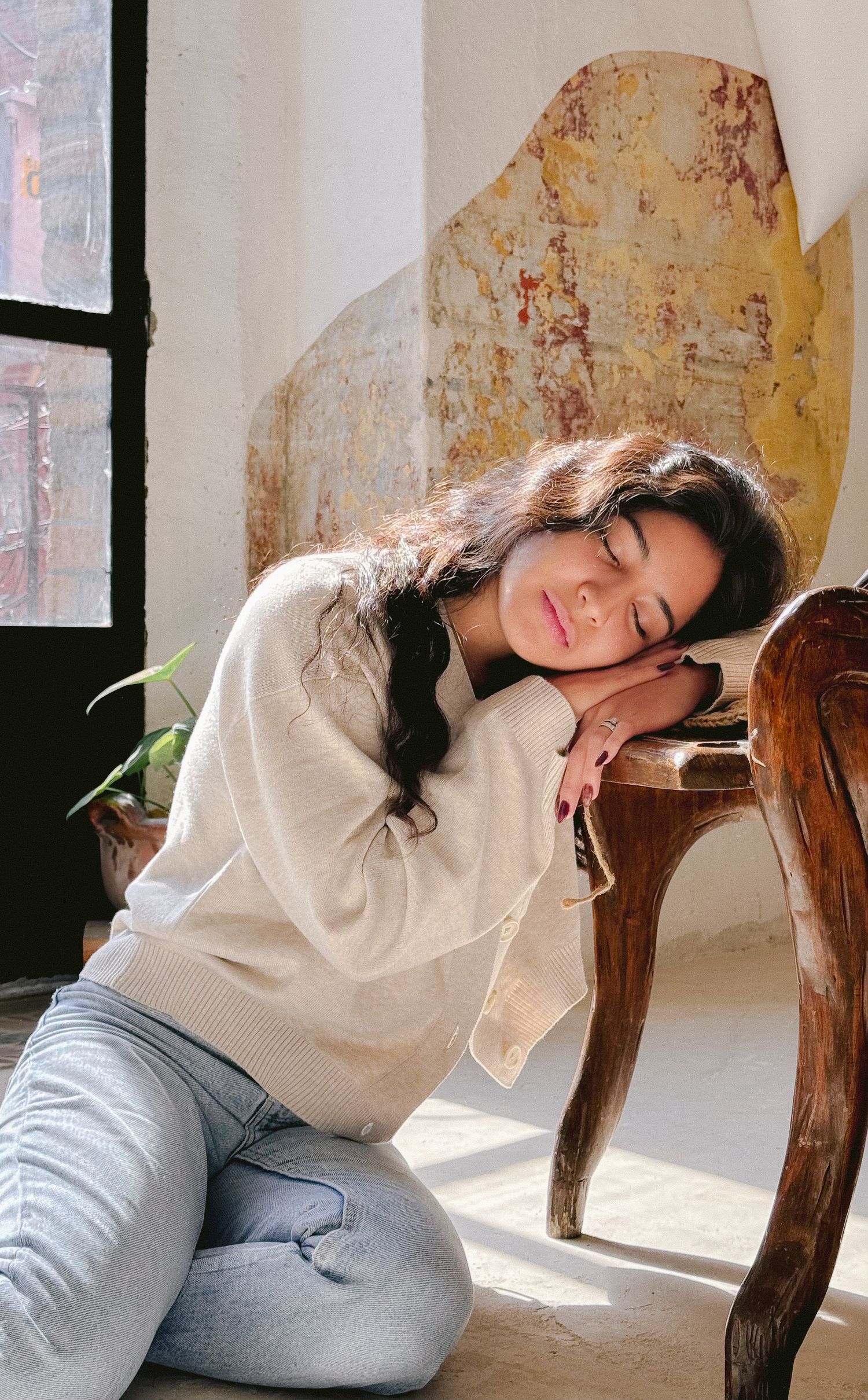
The Sixteen Stages of Rising Again
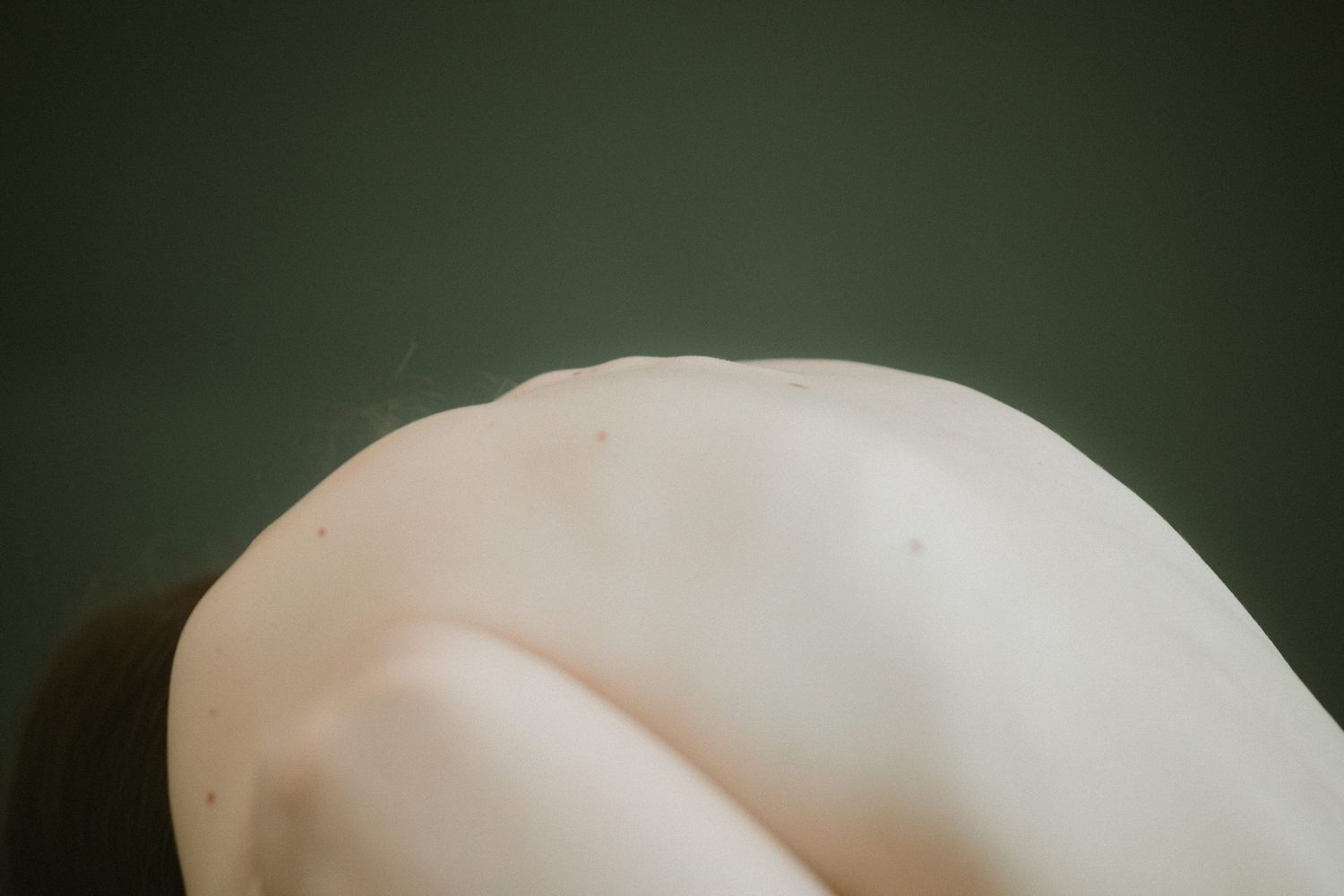
1. Protection
The body curls inward, instinctively shielding itself from an unrelenting reality. The back becomes a fragile wall between the self and the outside world. Vulnerability takes the shape of silent resistance—an attempt to survive before fully acknowledging what has been lost.
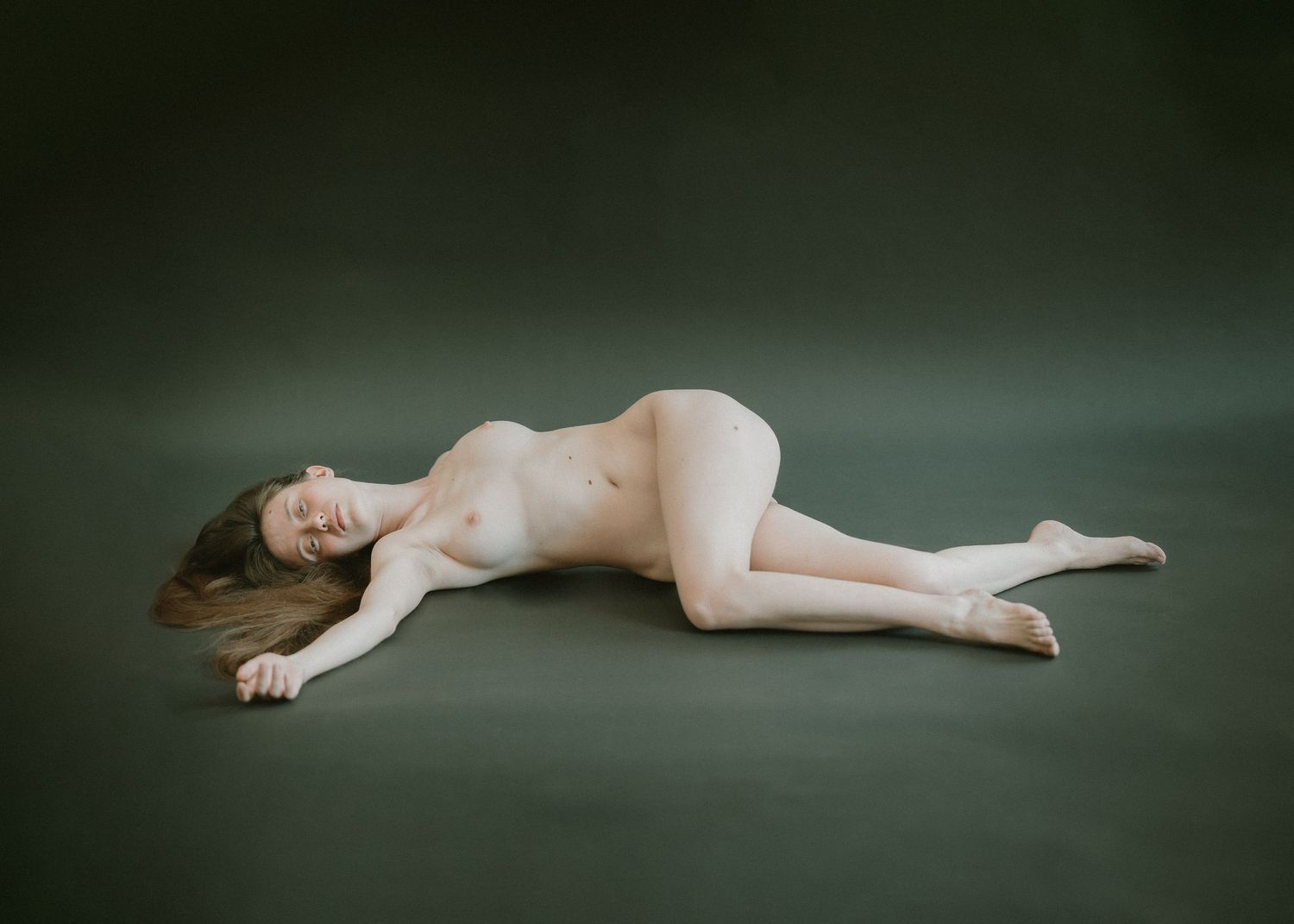
2. Defeat
The battle has ended. The body lies motionless, stripped of strength, gazing at the force that brought it down. No more struggle, no more fight—only the weight of a reality too heavy to bear. The spirit, exhausted, sinks into stillness.
3. Surrender
There is no more resistance. The body bows before its own suffering, not as a sign of weakness, but as a quiet act of acceptance. To surrender is not to give up—it is to acknowledge, to feel, to allow grief to exist before healing can begin.
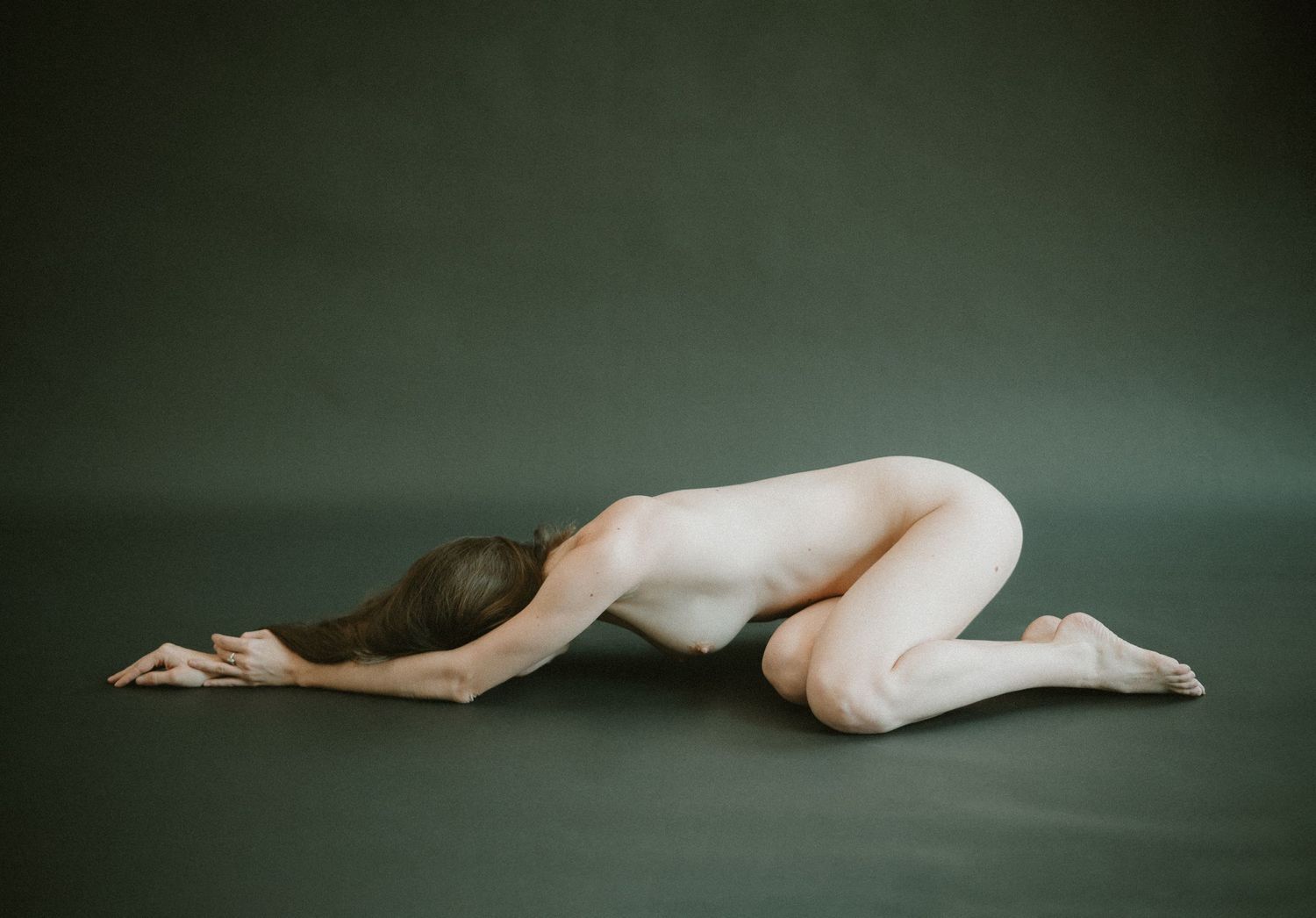
4. Willpower
A flicker of life stirs within. Faint but undeniable, it awakens in the depths of stillness. It is the instinctive force that whispers, you are not done yet. The body, though fragile, begins to shift—not standing yet, but no longer entirely fallen.
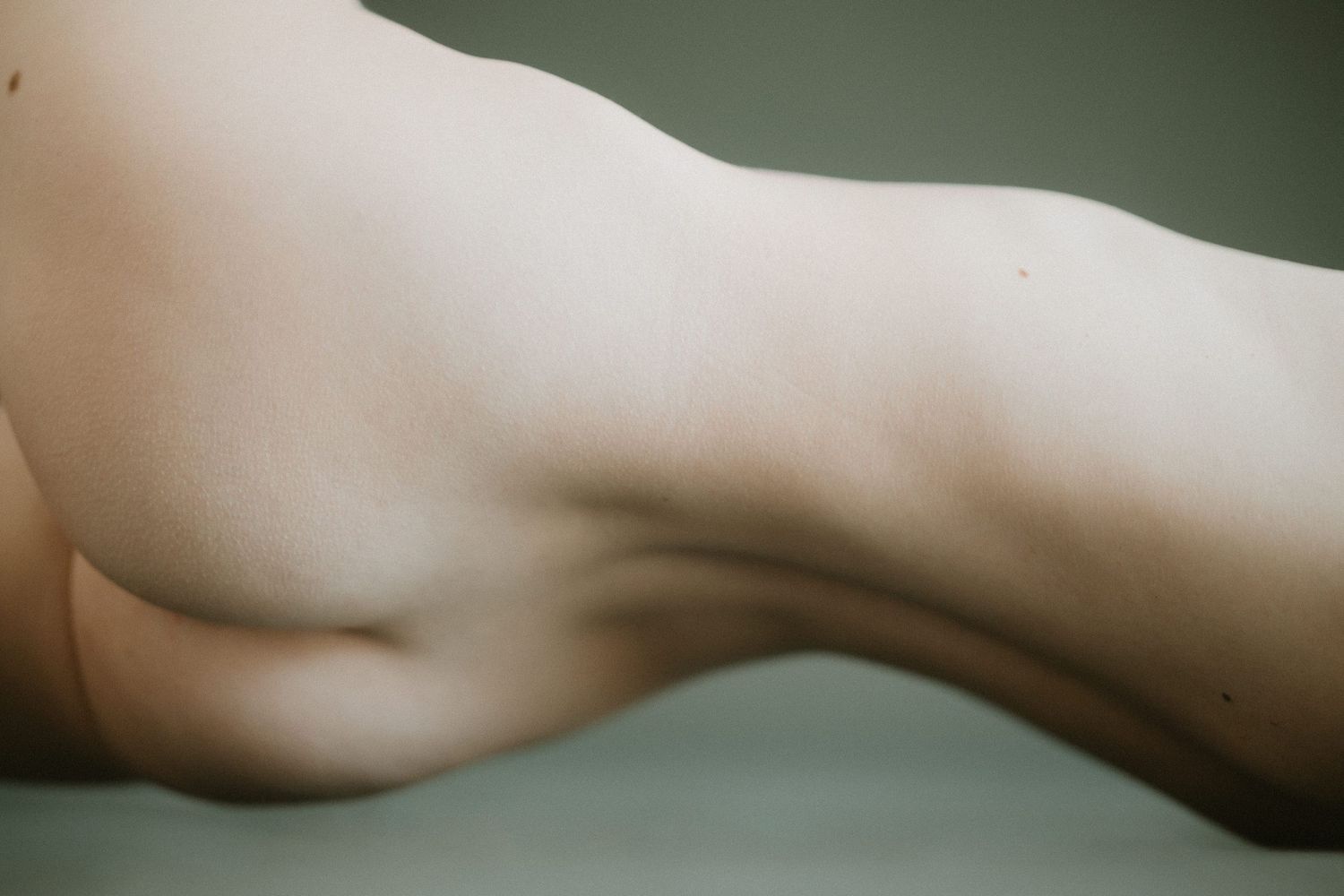
5. Drying the Tears
Seated, head bowed, wiping away the remnants of pain. The body, still heavy, still aching, finds comfort in this first act of self-care. There is no rush to move, only the quiet moment of tending to what remains.
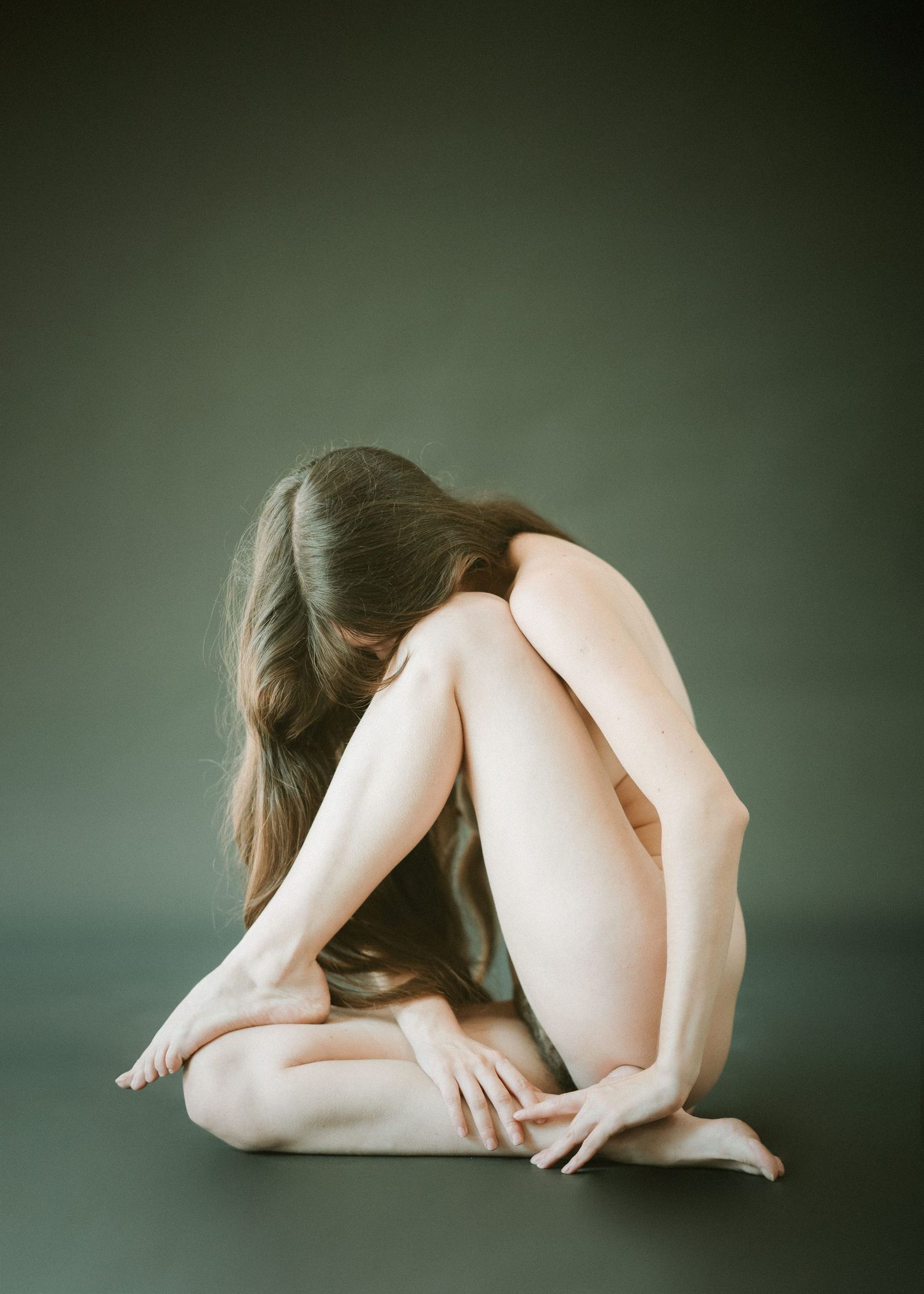
6. Observation, Reflection, and Feeling
For the first time, the gaze lifts. The world has not disappeared. The past has not erased itself. There is no turning back, only the choice to see, to acknowledge, to reflect. The body, though still wounded, begins to contemplate the possibility of a different tomorrow.
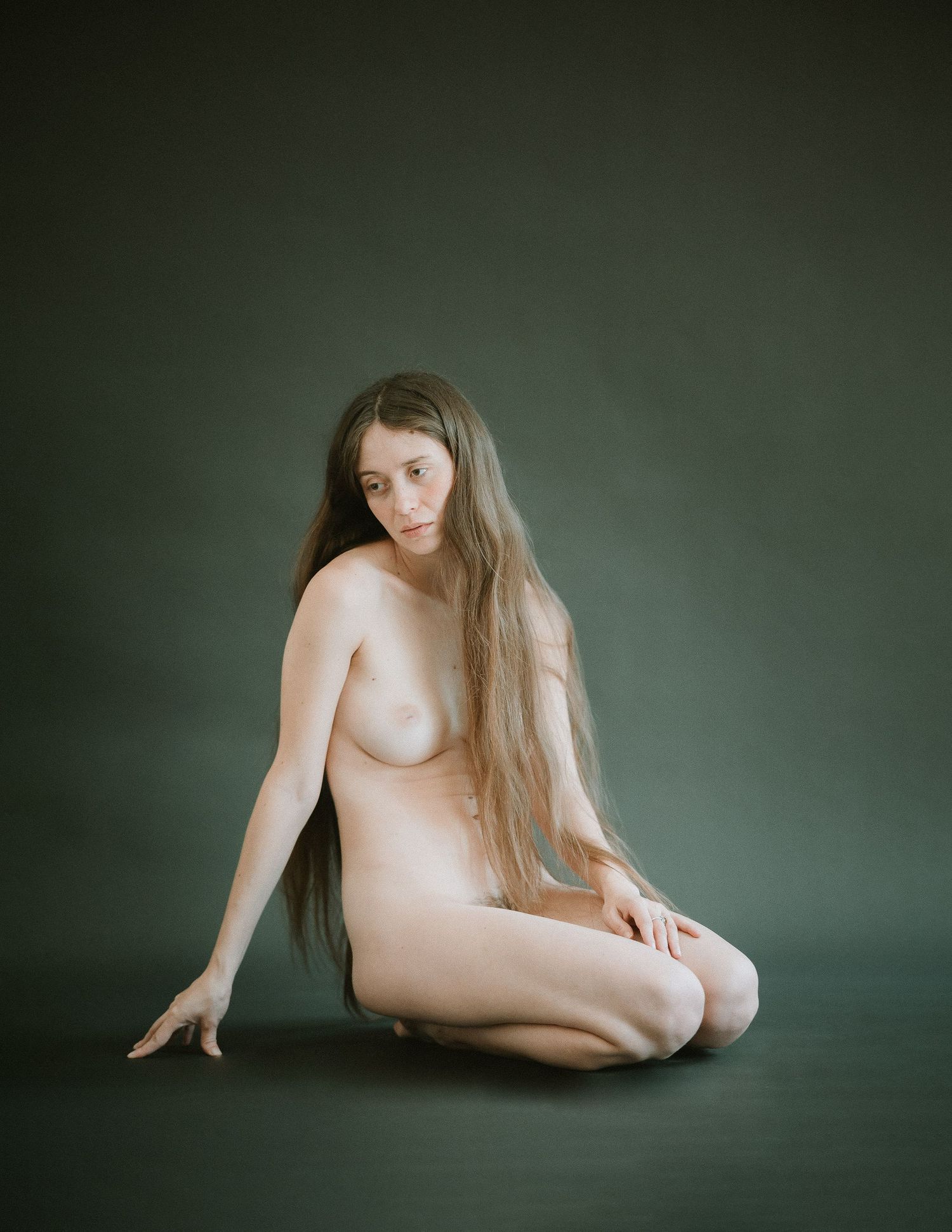
7. Facing Fear
The body reveals itself hesitantly, as if unsure whether it is ready to be seen—by others, or perhaps by itself. Fear lingers, uncertainty grips, but there is movement now. A trembling but determined step forward into the unknown.
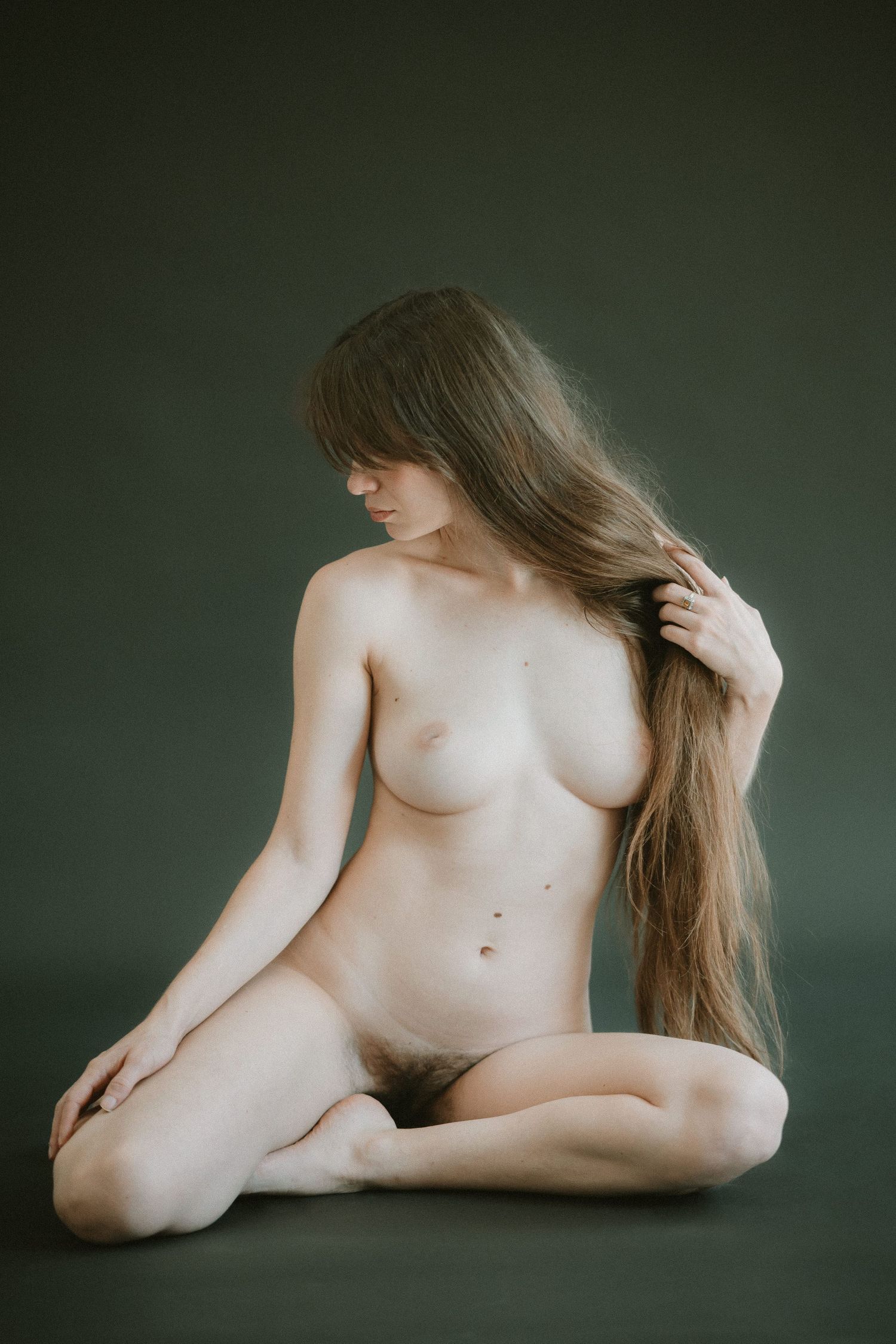
8. Recognition
Hands trace the skin, rediscovering what remains. A moment of acknowledgment—of seeing oneself again, despite the changes, despite the scars. This is me. The realization carries weight, but also the understanding that something new has emerged.
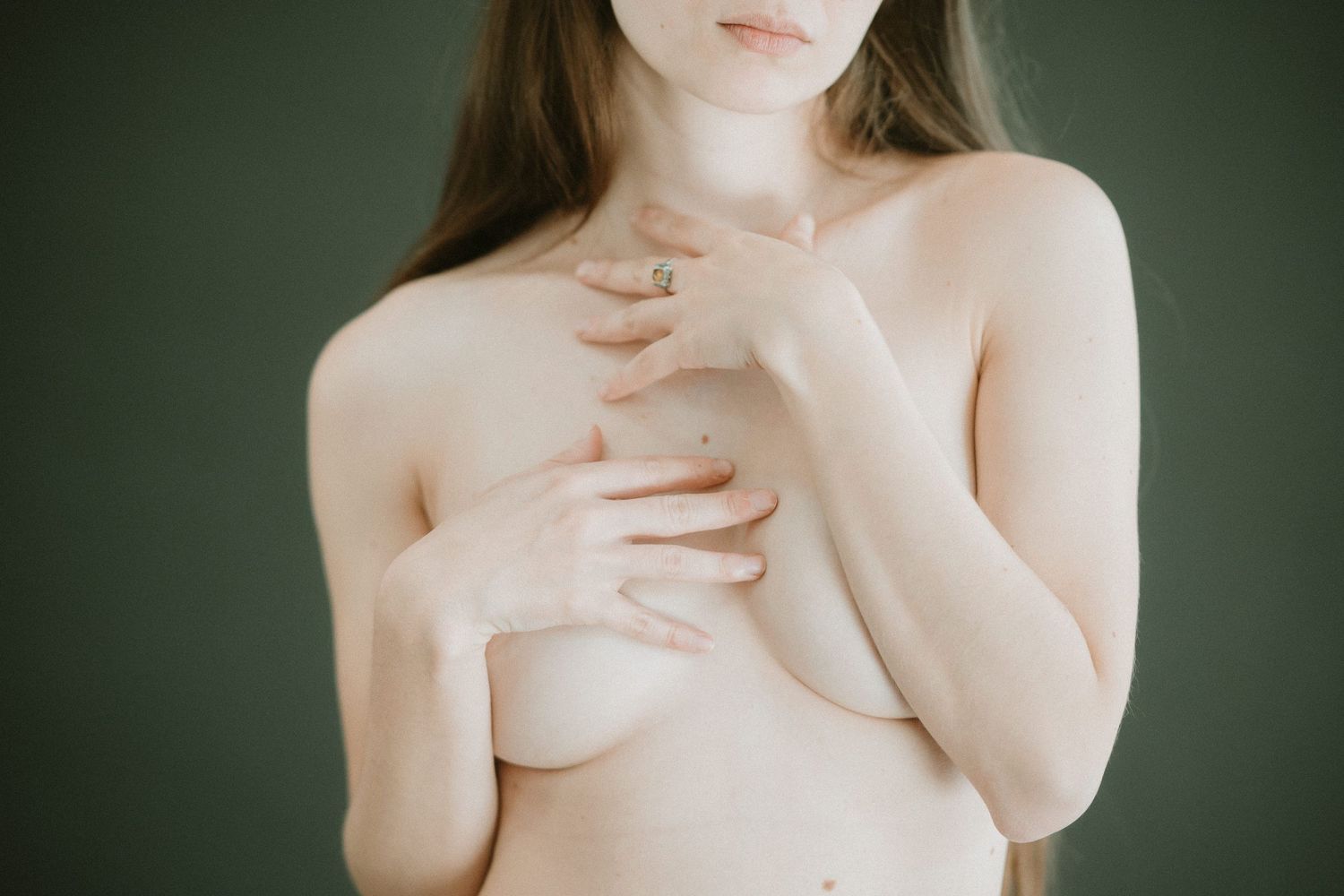
9. Gathering Strength
Fingers press against the ground, the body is no longer only recovering—it is preparing.
Energy begins to gather in muscles once weakened. The breath deepens. The mind steadies. The self braces for what comes next. There is no hesitation—only the gathering of energy before transformation.
This is the final inhale before change. A moment of stillness, not of doubt, but of readiness.
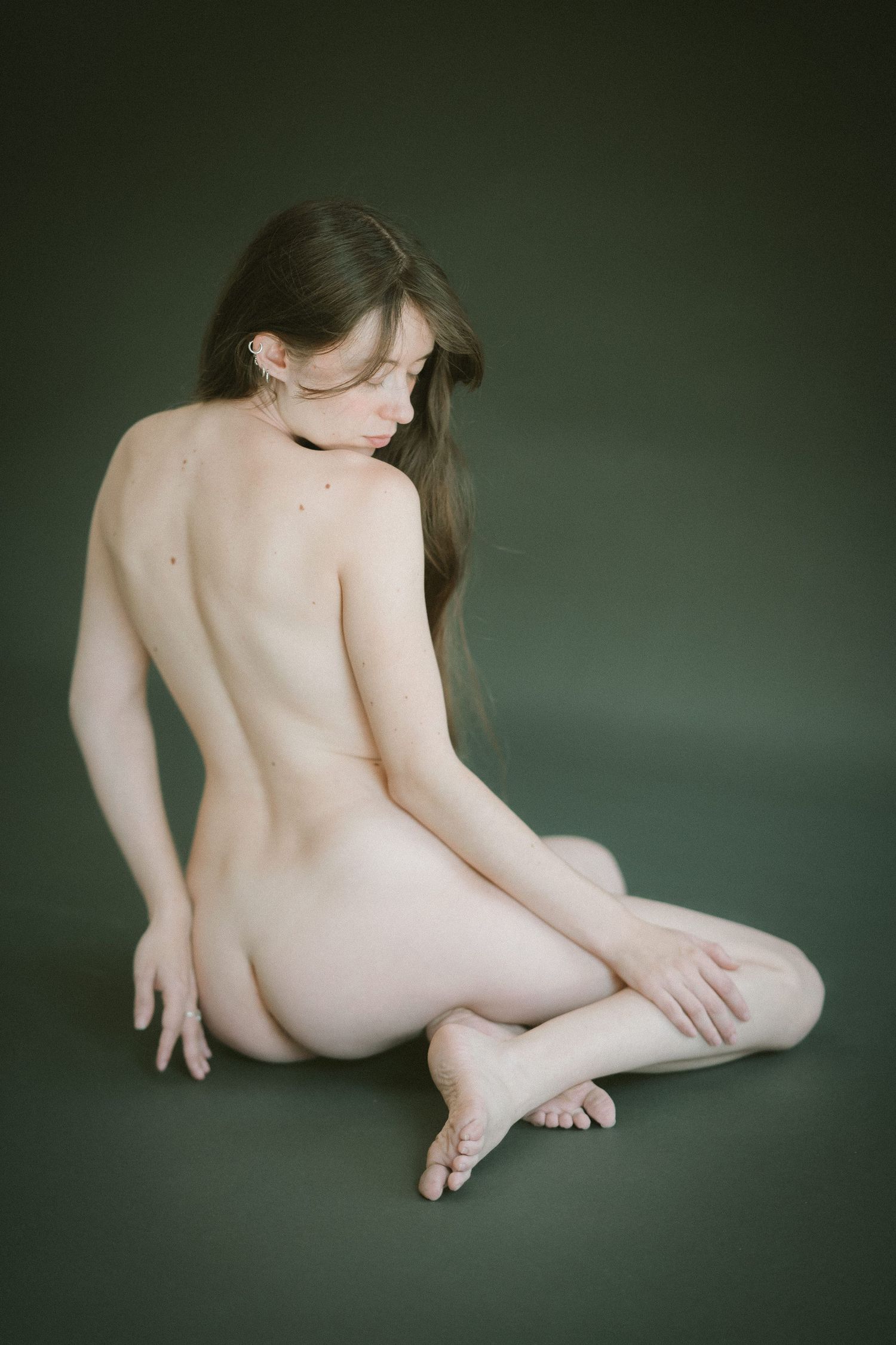
10. Metamorphosis
Change is no longer just internal—it has begun to take form, shaping the body as it moves.
There is fluidity now, a transition unfolding in real-time, neither fully past nor fully future, but existing in the space between.
The transformation is not sudden, nor is it complete, but it is happening. The body, once weighed down, is now in motion, adapting, evolving. What once seemed impossible is now inevitable.
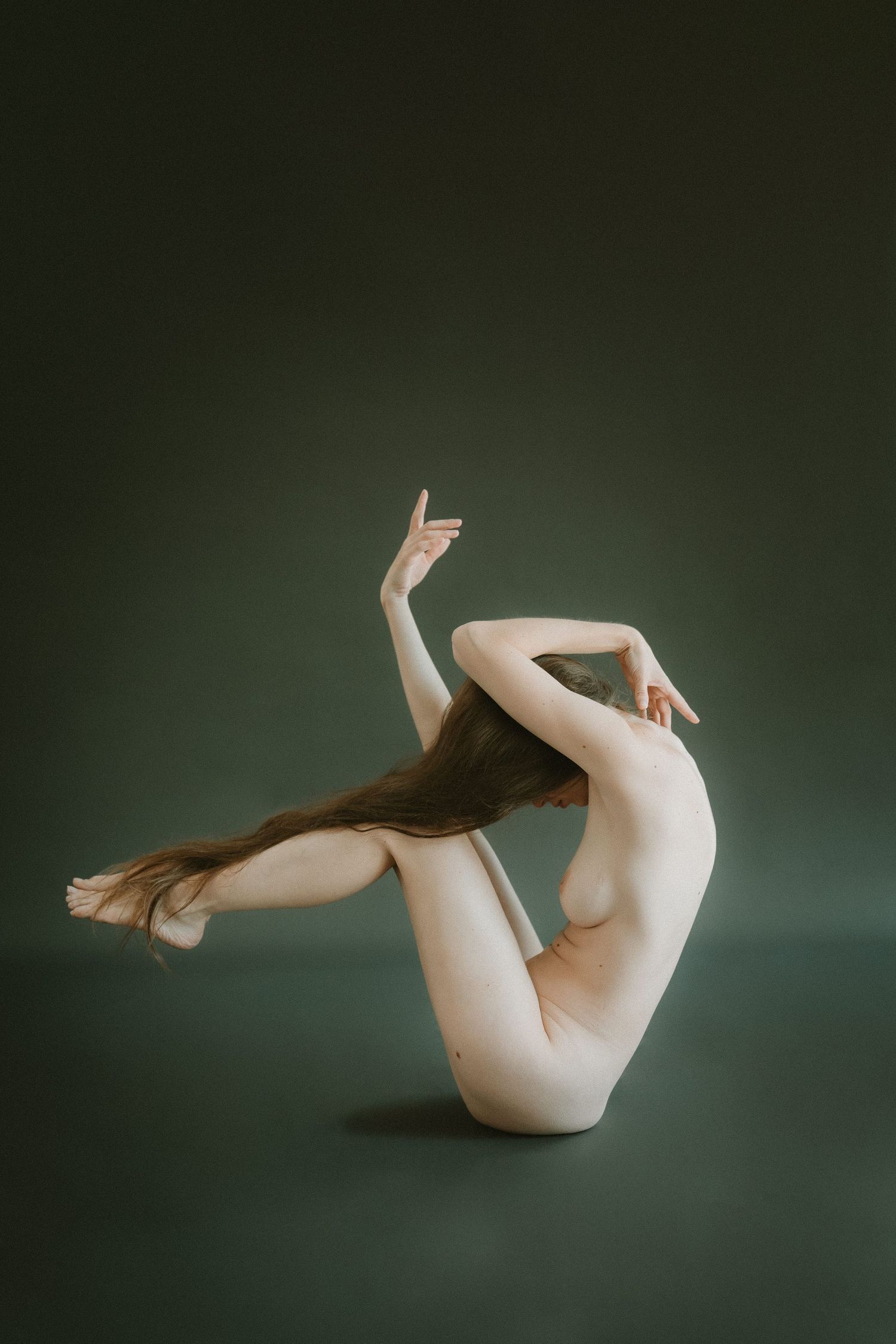
11. Rising
Slowly, steadily, the body lifts itself. There is no rush, no sudden movement, only the undeniable certainty of standing once more. Gravity pulls, but it does not overpower. The ground is no longer a place of defeat, but of foundation.
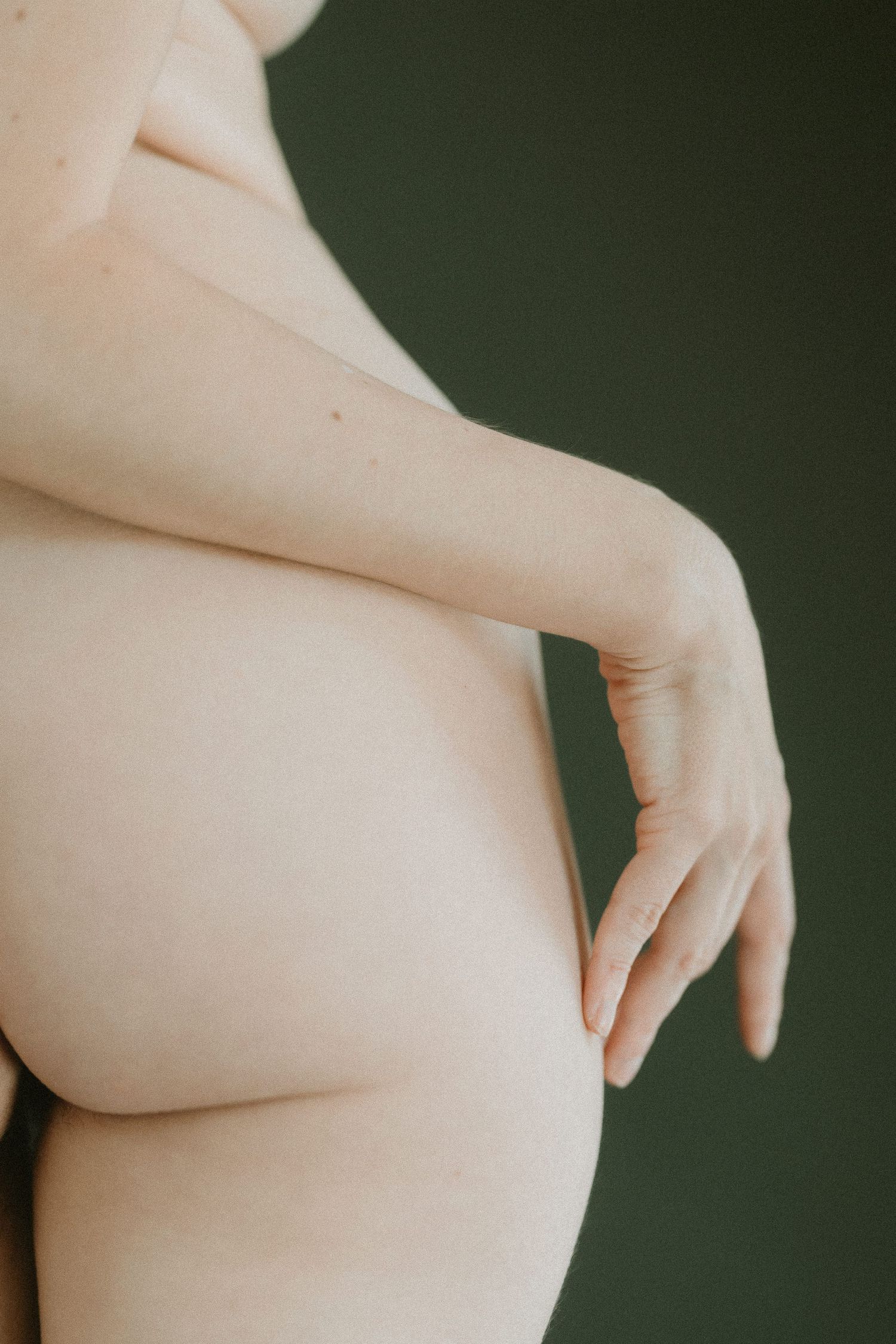
12. Lowering the Guard and Extending the Hands
Seated upon the chair, the body no longer resists. The past, once heavy, is now simply beneath—a surface rather than a weight. There is no tension in the limbs, no guarded posture. Shoulders soften, arms rest with ease, fingers slightly open as if unconsciously reaching toward something new.
The stillness here is release. There is no need to hold on, no need to brace for impact. Breath flows freely, unburdened by expectation. Whatever comes next, the body is ready to receive it.
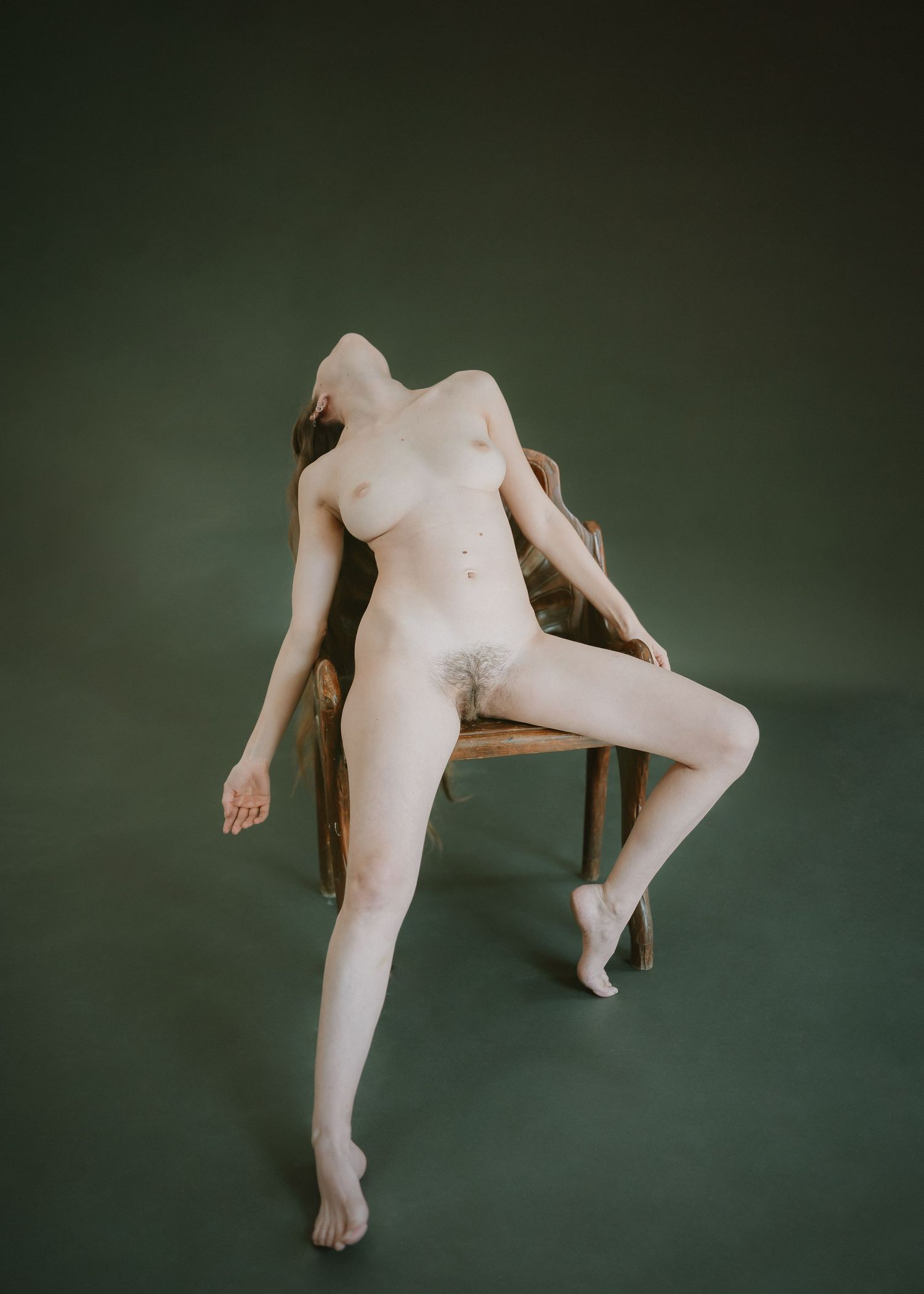
13. Reclamation
The figure stands tall upon the chair, elevated by the past rather than weighed down by it. Shoulders are pulled back, the posture strong—a quiet symbol of triumph.
Only now the veil starts to appear, cascading over the figure. It drapes the body like a mark of everything endured, of battles fought and survived. The hands extend with effortless grace, as if reaching beyond the past into something new. This is no longer about rising. This is about owning every step that led here.
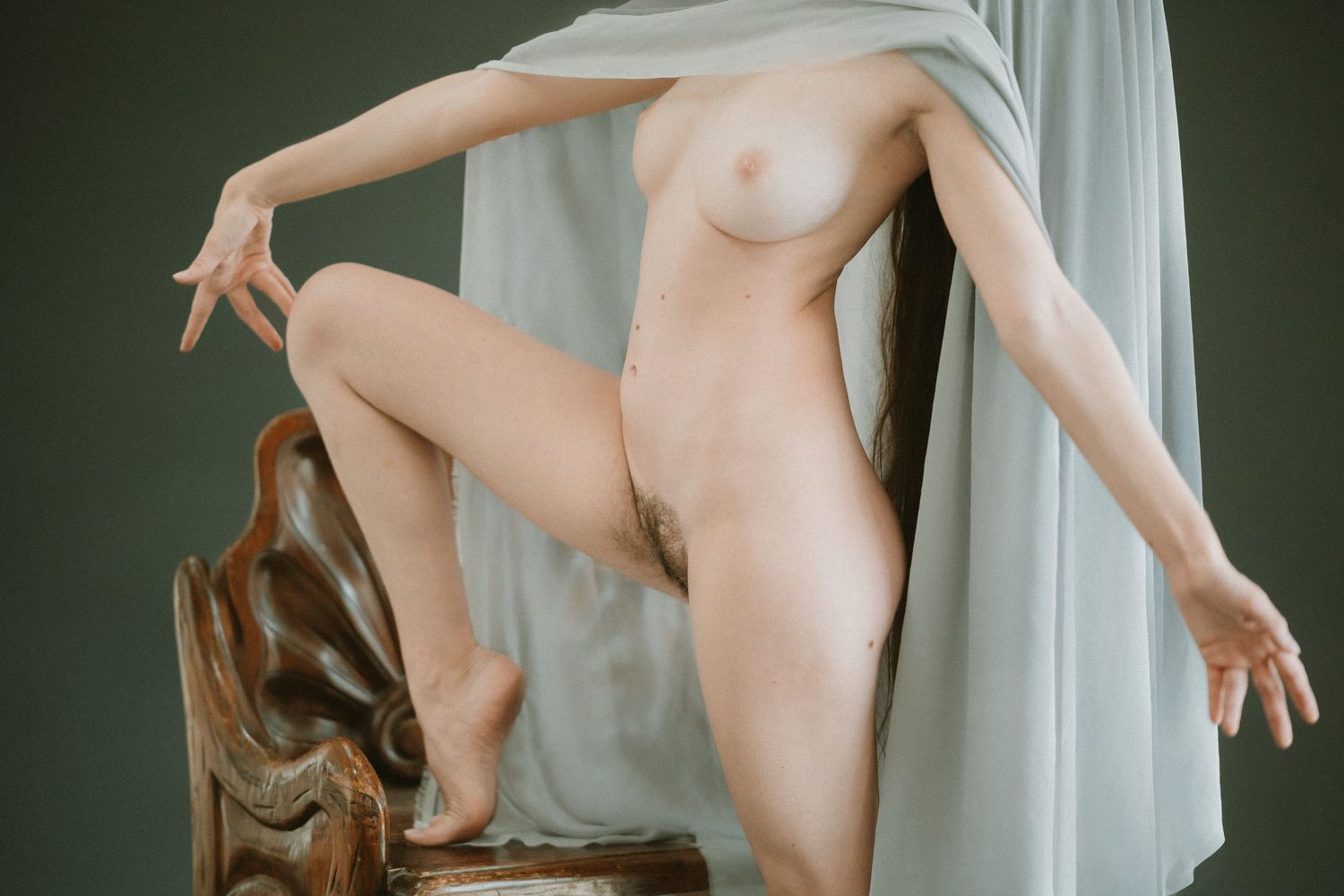
14. Emblem
The figure rises with undeniable presence, embodying the past, wearing the veil as an emblem, a banner of survival, of transformation.
There is grace in the posture, but also defiance. The arms extend in fluid motion, as if shaping the space around them, reclaiming it. The body does not bow, nor does it shrink. It takes up space unapologetically, fully aware of its own resilience.
This now is about honoring the past. The scars, the weight, the journey—everything is now part of the figure’s presence, not as something to overcome, but as something to own.
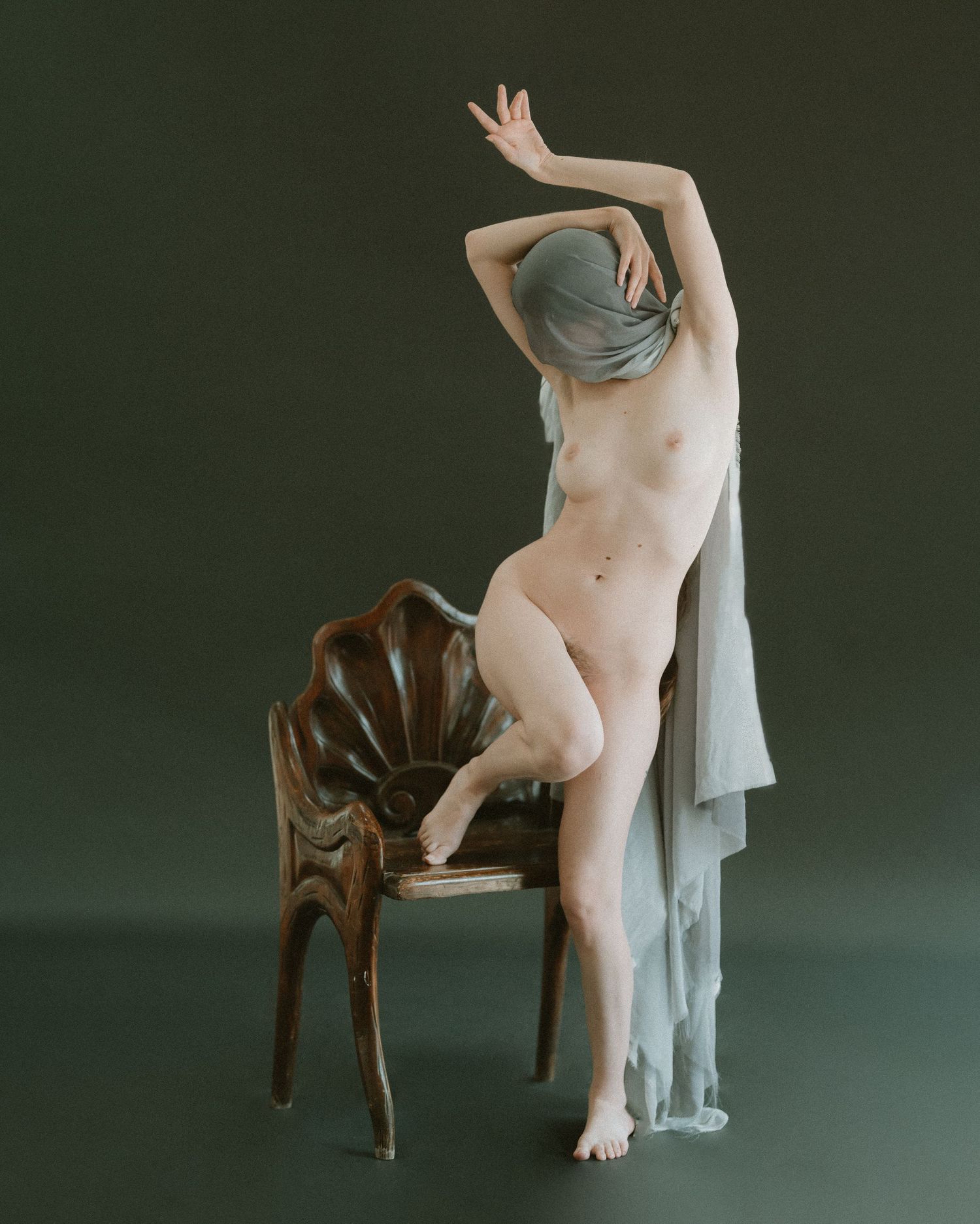
15. Gratitude and Farewell
A hand lifts in a soft, parting motion—not in mourning, but in gratitude. There is no weight in this gesture, no longing to hold onto what has already been lived. The movement is light, effortless, as if the air itself carries the final touch of the past.
This is not an act of release, nor of rejection. It is simply time to move. The past remains where it belongs, and the body with steady breath and quiet resolve, prepares to turn toward what lies ahead.
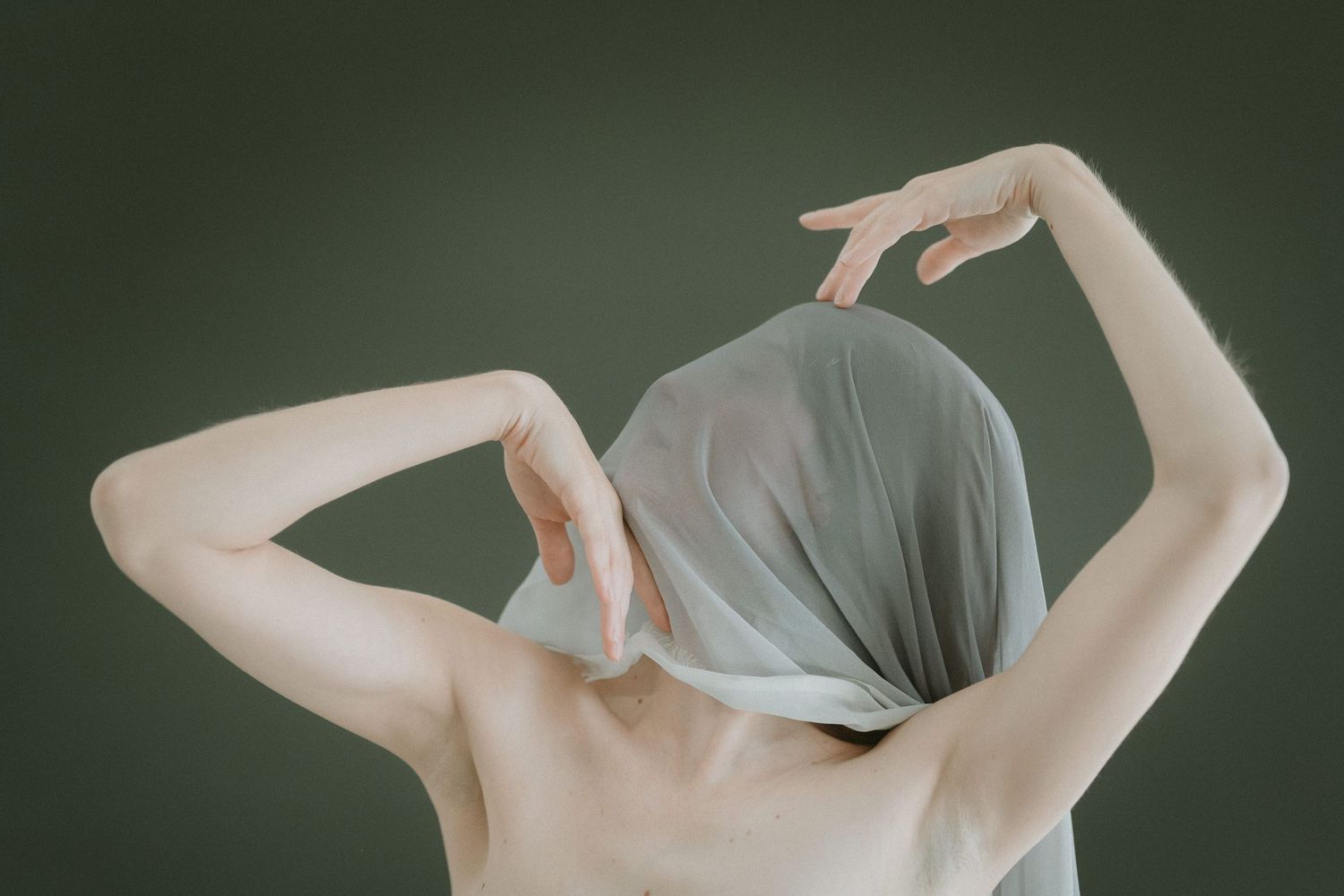
16. Future
There is no need to look back—the past is already woven into the body, into the steps that led here. The weight once carried has settled, not disappeared, but no longer dictating the journey ahead.
The figure shifts forward, poised at the threshold of something unknown. There is no urgency, no rush, only the certainty that movement must continue. The body exists in transition, caught between what was and what will be, yet there is no fear.
This is not a moment of departure, nor of escape. It is simply the next step. One taken with humility, with strength, and with the unshakable knowing that the path continues.

Why This Series Matters
This project is deeply personal, but it is not just my story. It is for anyone who has fallen, for anyone who has questioned if they would ever rise again.
We all carry wounds. Some are visible, others are buried deep within. But the beauty of being human is that we are not defined by the moments that broke us, but by the moments that we chose to stand back up.
Through these images, I hope to create not just a visual experience, but a feeling—one that lingers in the heart of the viewer. I want people to see themselves in these portraits, to recognize their own journey, and to know that no matter how heavy the past may seem, there is always a way forward.
This is a tribute to resilience. To the quiet strength that lives in each of us.
And to the light we carry, even in the darkest of times.
Reflections on Vulnerability and Strength
We often perceive vulnerability and strength as opposites, but in reality, they are intertwined. To be strong is not to be unshaken—it is to allow oneself to feel, to break, to heal, and to emerge transformed.
This series does not seek to glorify struggle, nor does it aim to romanticize pain. It exists to honor the moments of collapse, of surrender, of stillness, and ultimately, of movement. Because every stage, every breath, every scar is part of the whole.
A Conversation Between the Viewer and the Self
Art is not static. It does not begin and end within a frame—it is a dialogue, an experience that shifts depending on who is looking.
I invite the viewer not just to see these images, but to feel them. This is not just my experience, nor only the journey of those who posed for these portraits. It belongs to anyone who has ever had to rise again.
Now, I ask you...
What does this series make you feel?
Where do you find yourself within these images?
At what stage do you stand today?
And, most importantly—where will your next step take you?
Closing Thoughts
Thank you for taking the time to experience this with me. I hope this project has found a place within you.
Wherever you are on your path, I hope you remember this: